

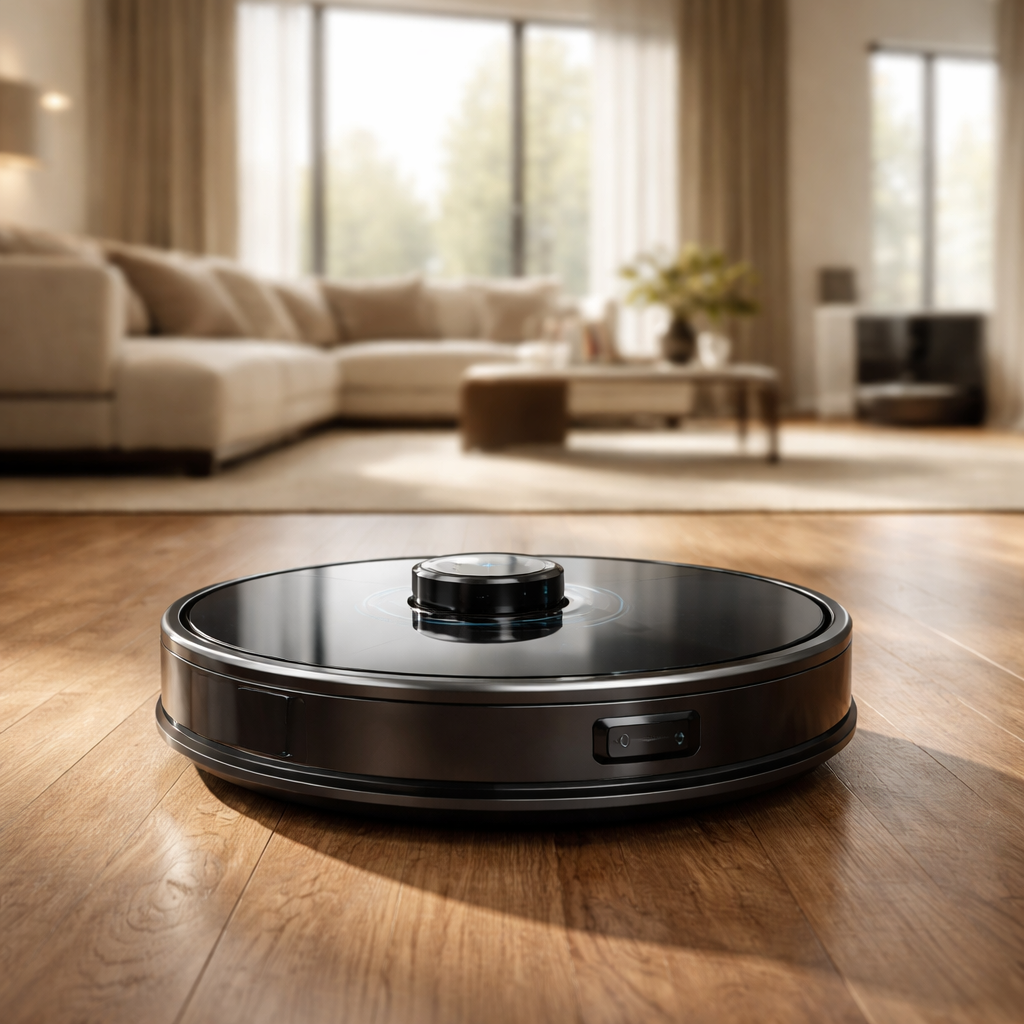
Automatic Vacuums
Automatic Vacuums — Why It Matters
Floor maintenance is one of the highest-frequency household tasks — and one of the easiest to automate.
The average American spends over 200 hours per year on household cleaning tasks. Floor vacuuming alone, for a mid-size home, requires 2–4 hours per week when done manually. Robot vacuums with LIDAR mapping, auto-empty docking stations, and mopping capability can handle daily maintenance autonomously — running on a schedule while you work, sleep, or focus on higher-value activities. Beyond time savings, more frequent automated cleaning reduces allergen buildup (dust, pet dander, pollen) more effectively than weekly manual cleaning sessions, producing a measurable improvement in indoor air quality between air purifier cycles. What to look for: LIDAR mapping (more accurate than camera-based), auto-empty station capacity, mopping capability with auto-lifting, multi-floor mapping, and pet hair handling if applicable.
Filters
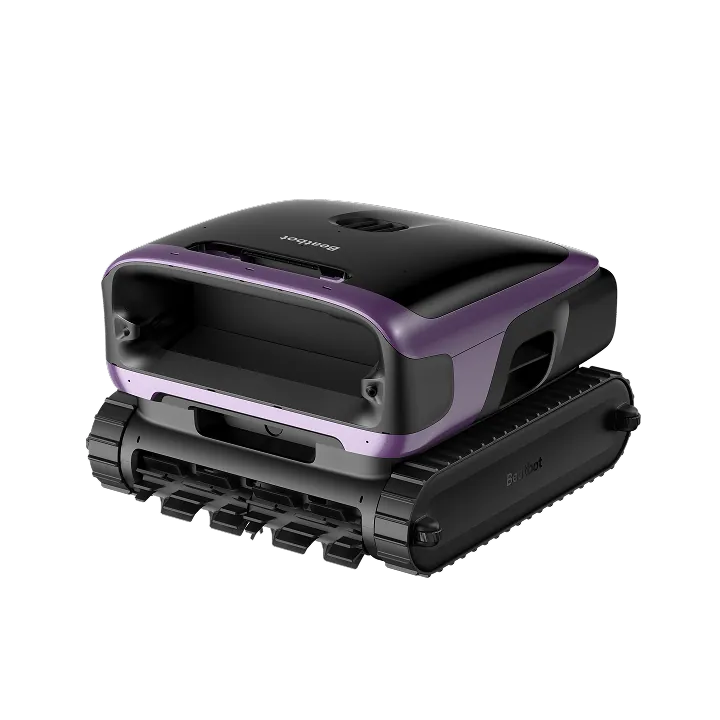
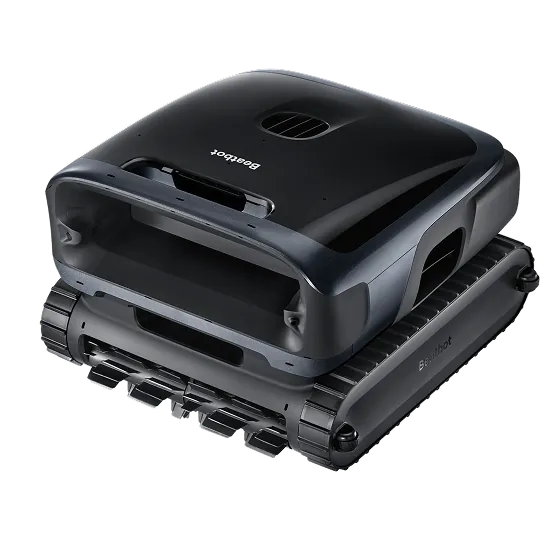
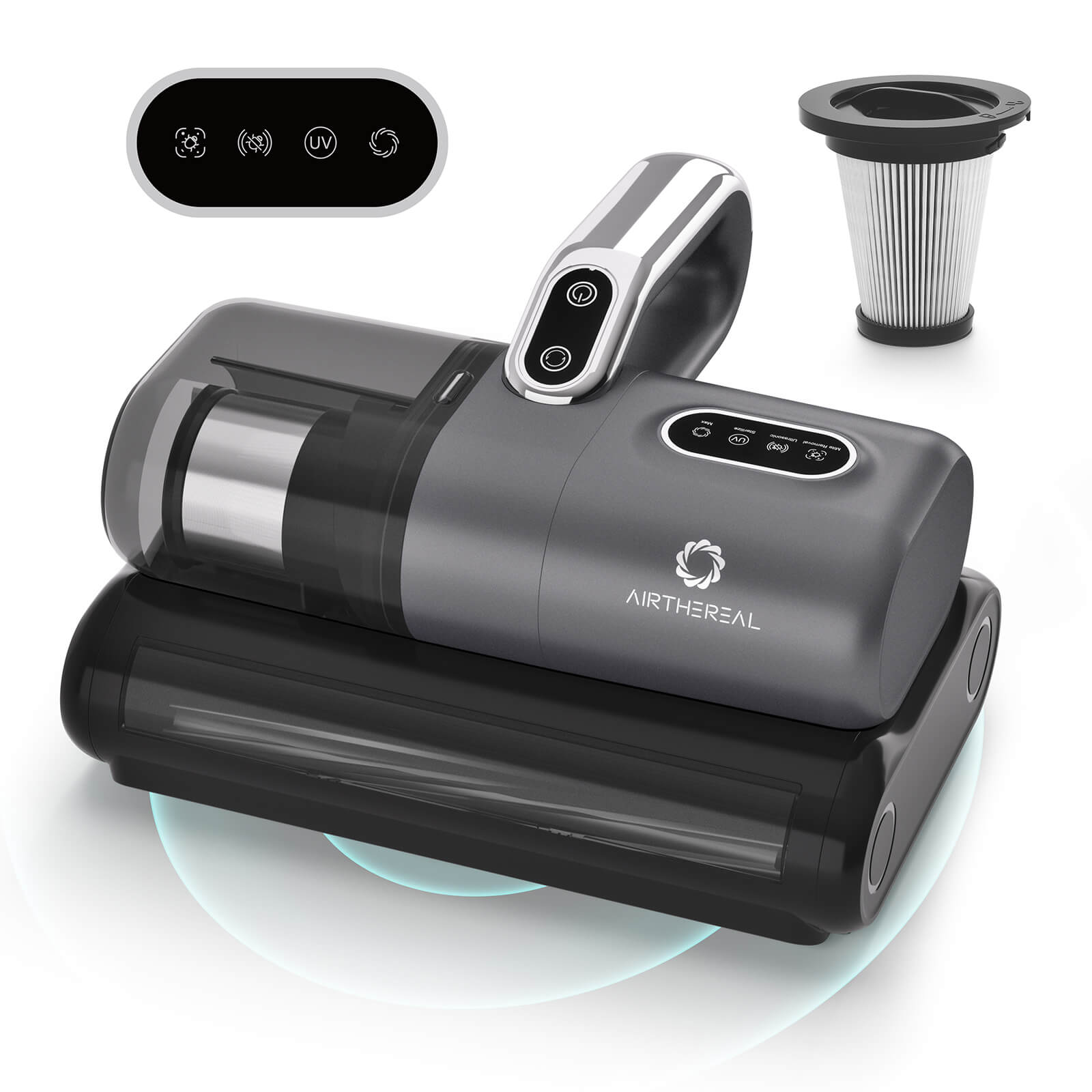
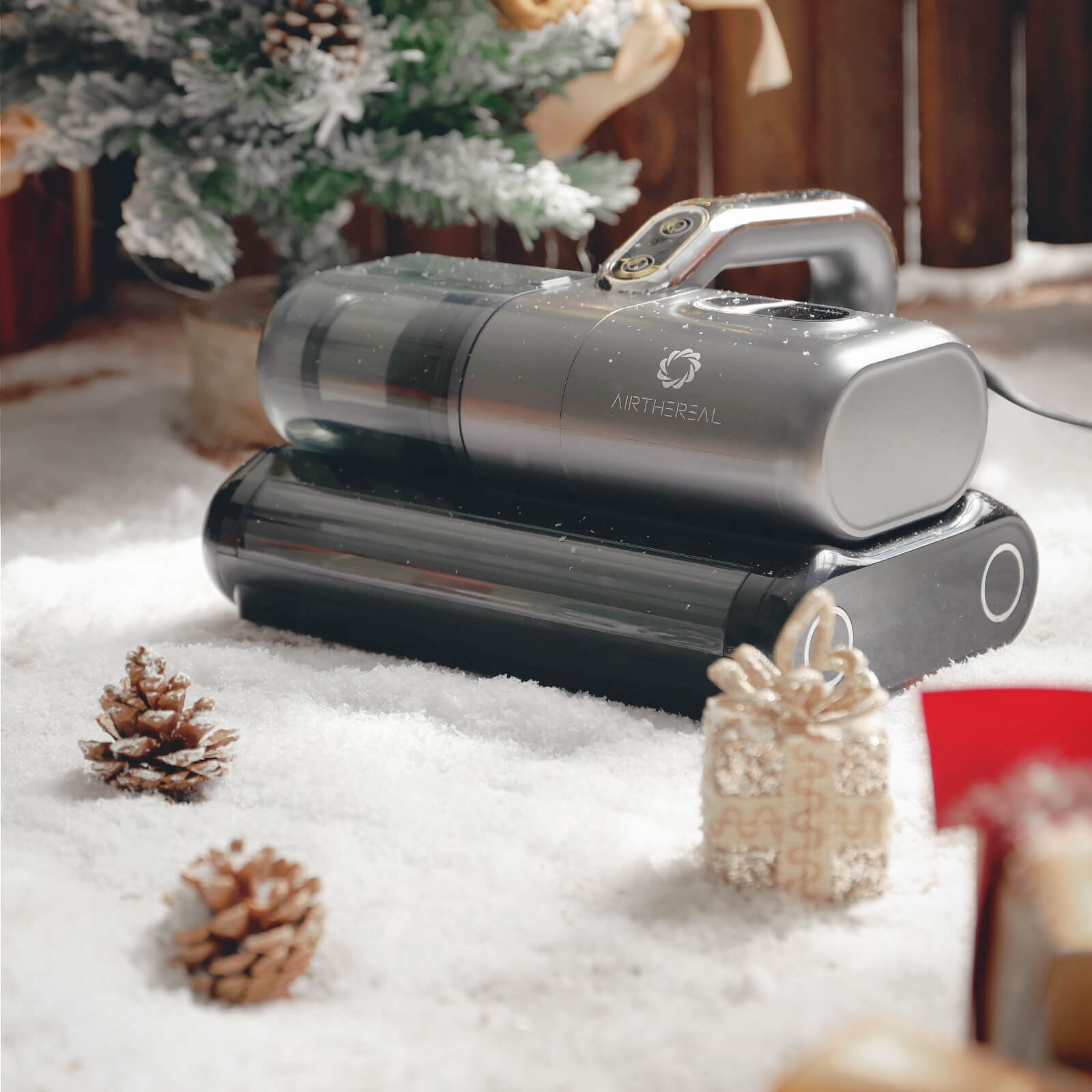
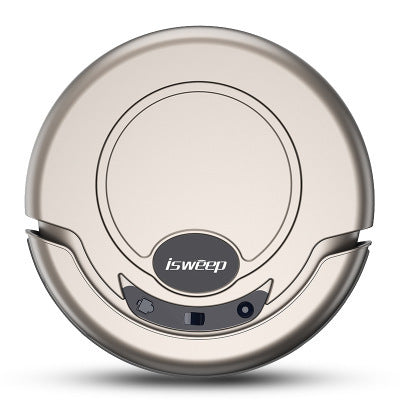
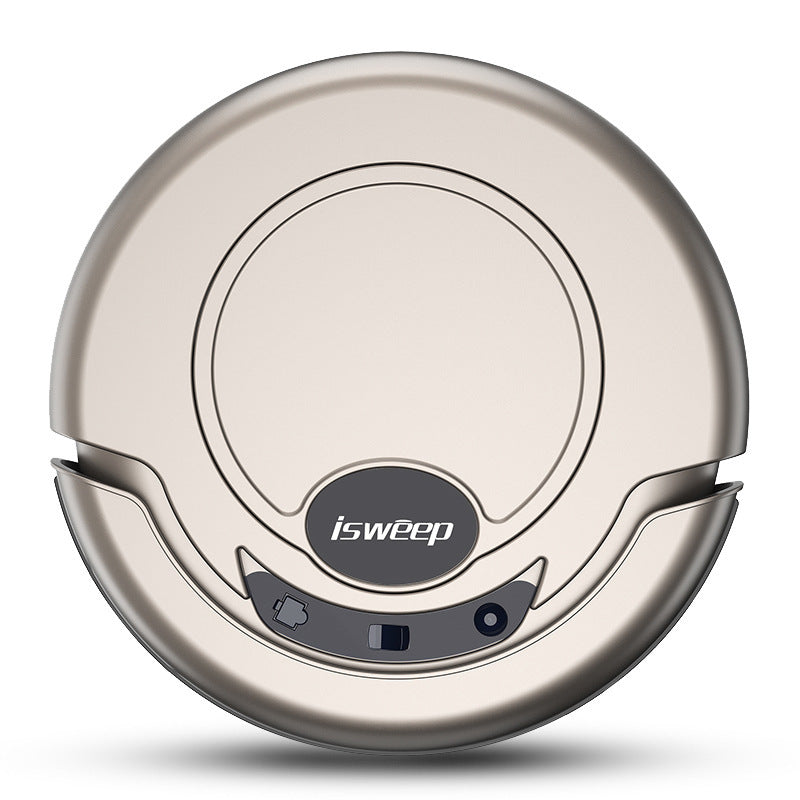
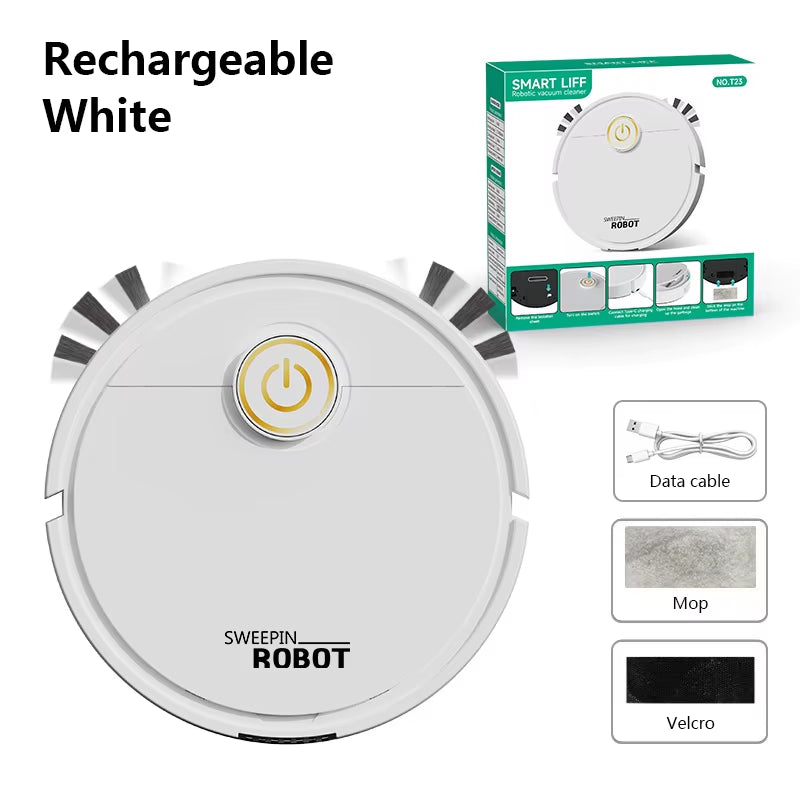
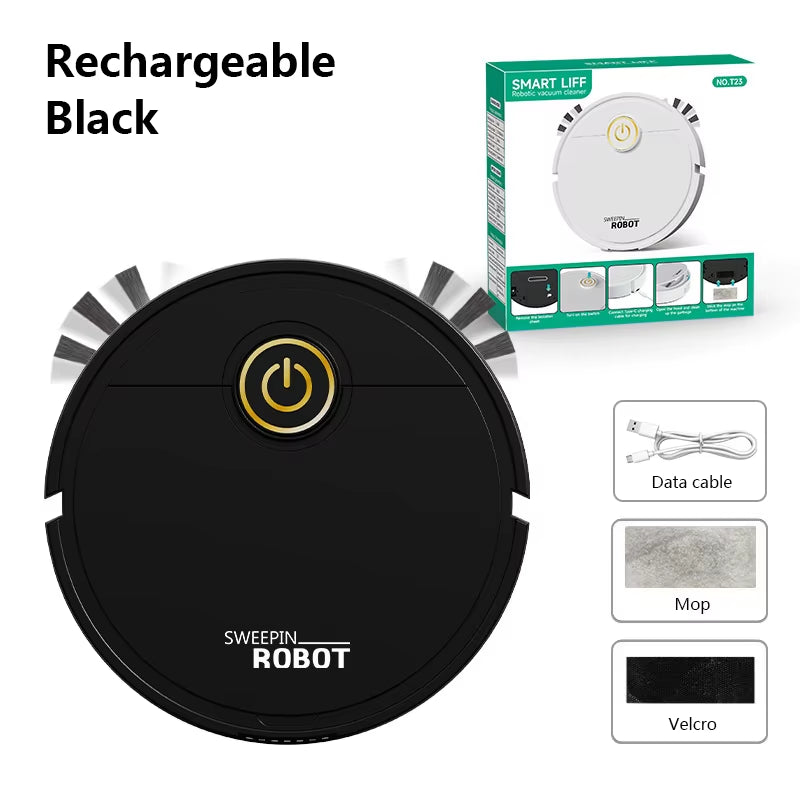
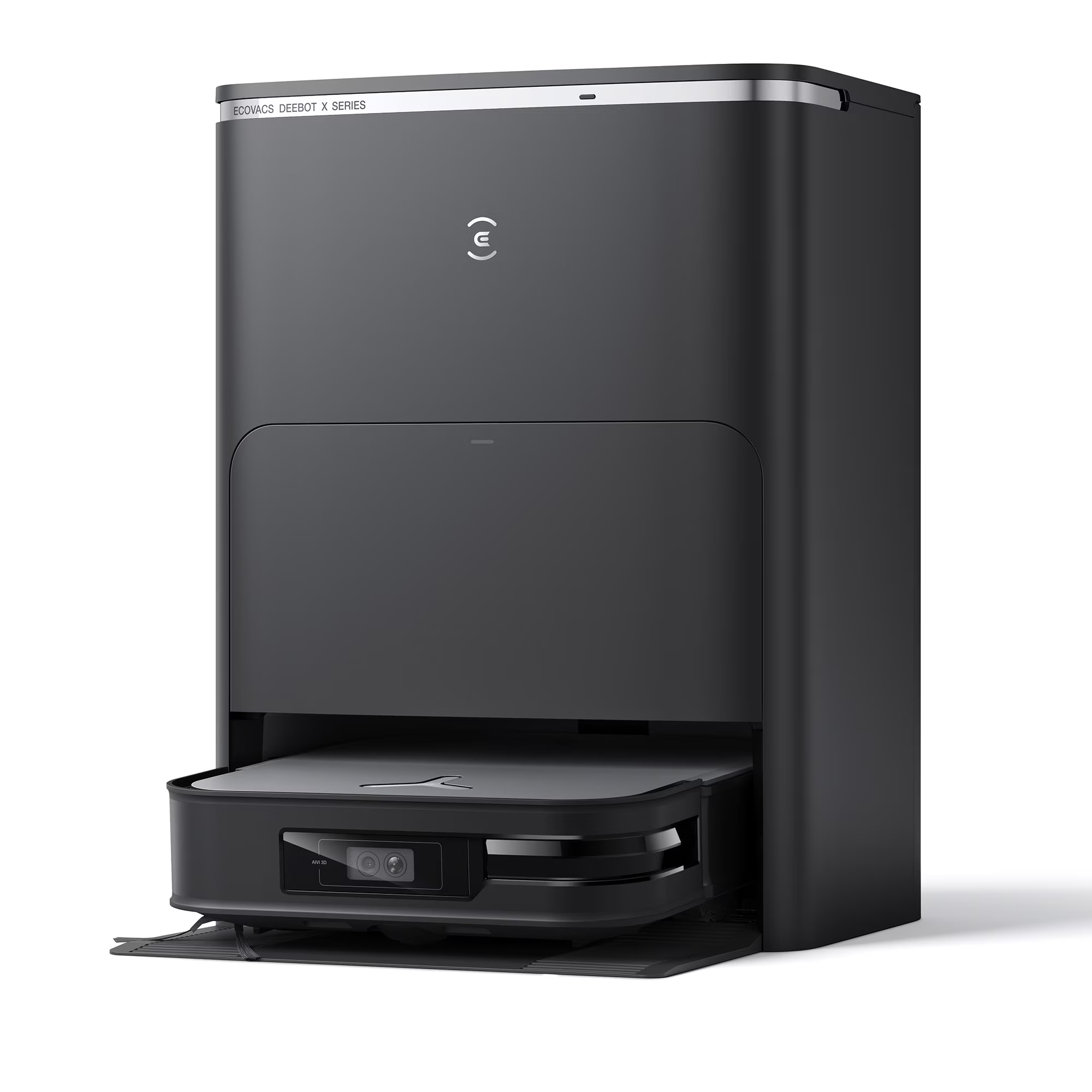
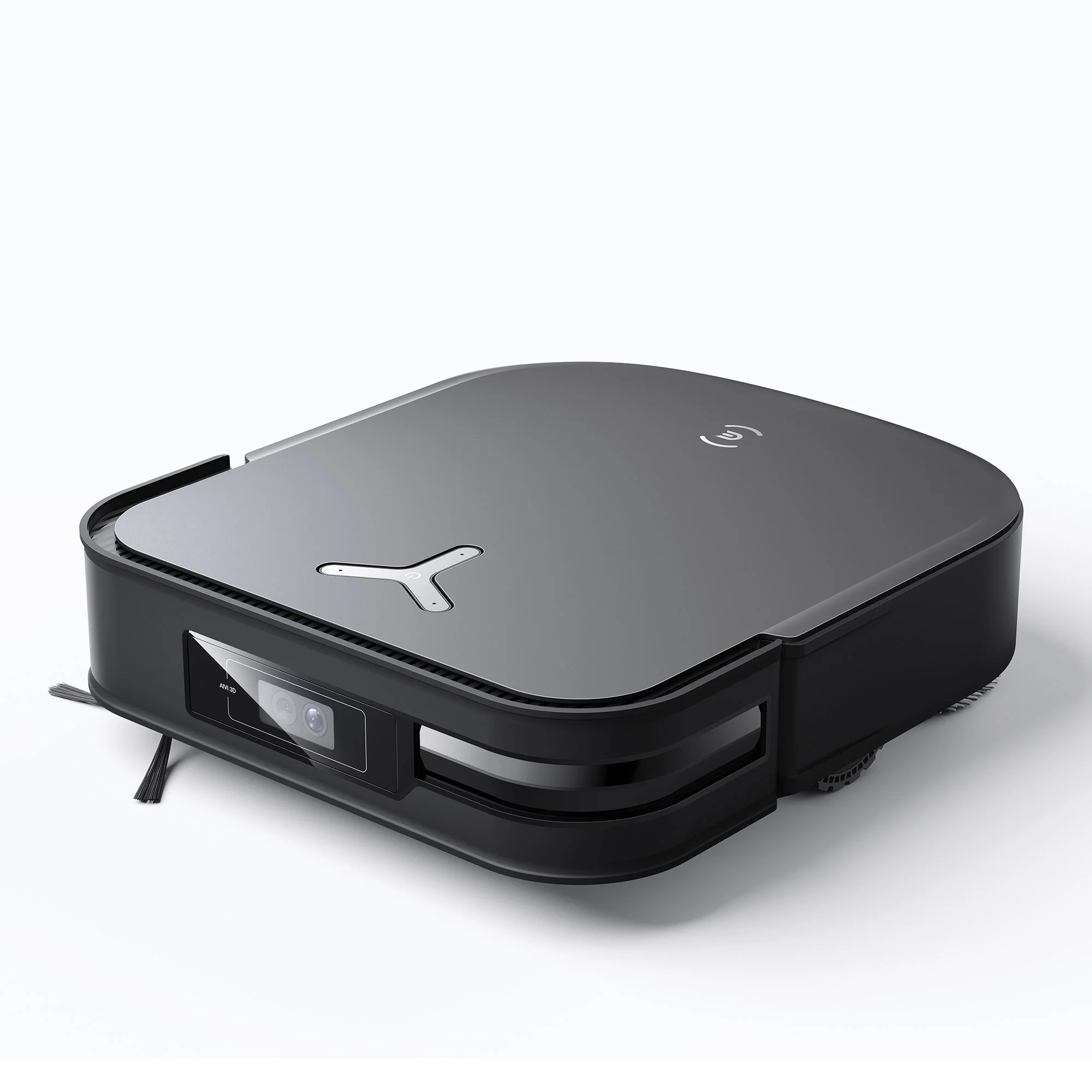


Robot Vacuums & Lawn Mowers
Frequently Asked Questions
For daily maintenance, yes, modern robot vacuums with LIDAR mapping, auto-empty stations, and mop-combo features handle the majority of floor cleaning without intervention. Most households find they only need a traditional vacuum occasionally for deep cleaning, stairs, or upholstered surfaces. The time reclaimed from daily floor cleaning is the primary value proposition.
Most robot lawn mowers use GPS, LIDAR, or virtual boundary mapping to navigate your lawn. Some models require a perimeter wire installation; newer wireless models (like the X7 we carry) use GPS and app-based boundary setting, no wire required. They operate on a schedule, cutting a small amount of grass frequently, which actually produces a healthier, more even lawn than weekly mowing.
We carry models suited for lawns from 1/3 acre up to 3/4 acre and beyond. The right model depends on your lawn's shape, slope, and complexity (narrow passages, obstacles). Our team can help you match the right model to your property.