


Robot Lawn Mowers
Robot Lawn Mowers, Why It Matters
Lawn maintenance consumes hundreds of hours annually and most of it can be automated.
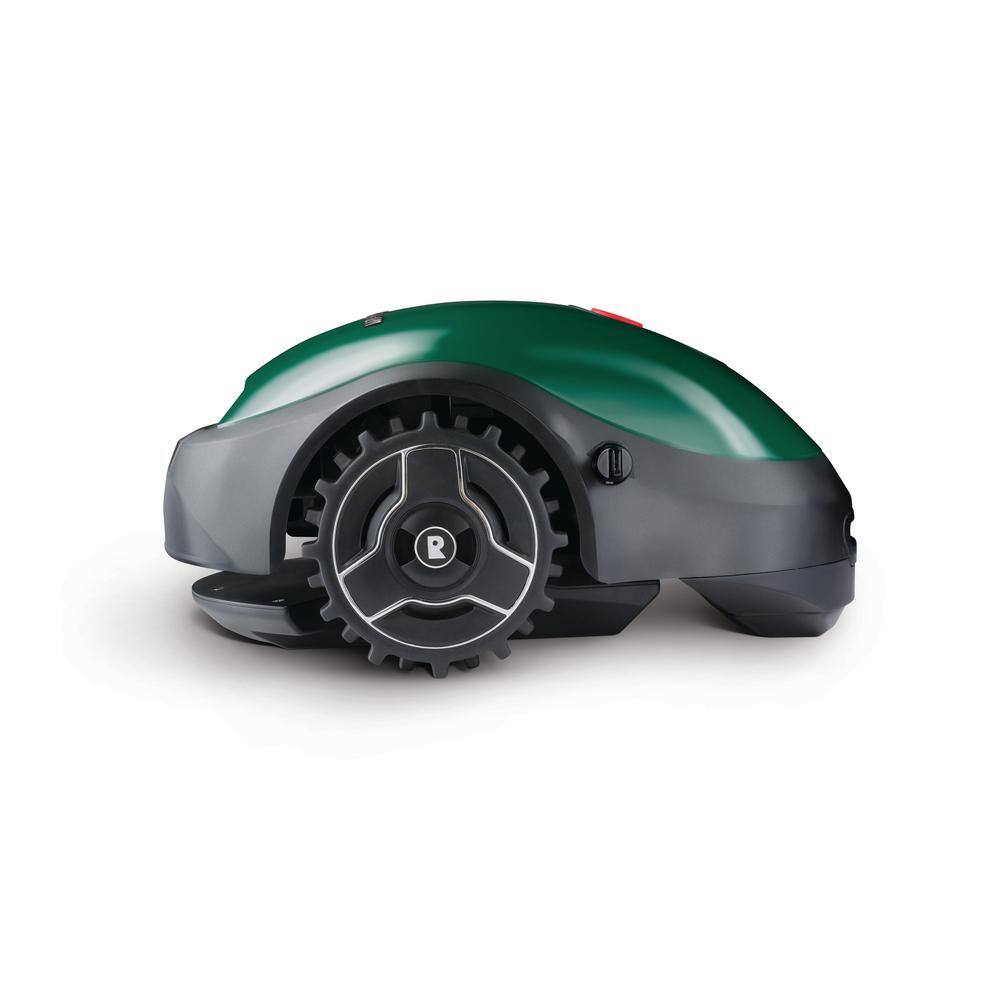
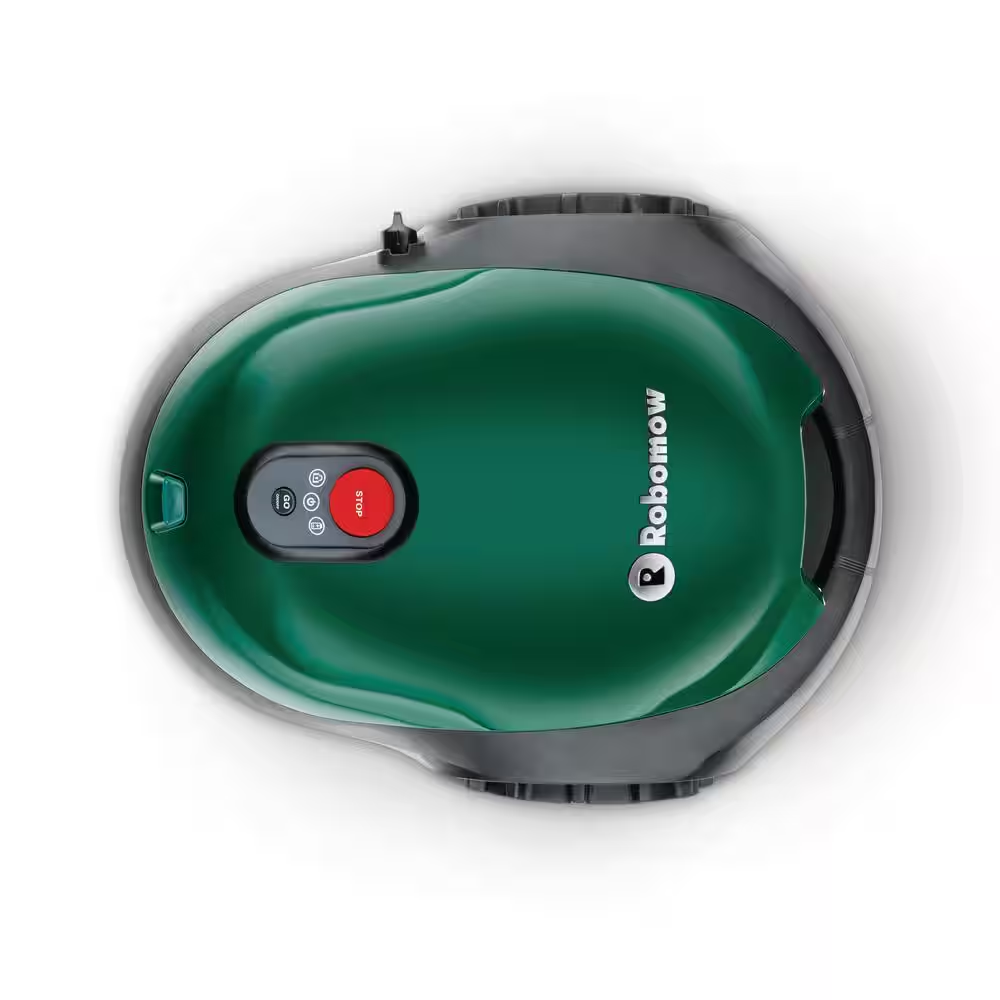
The average homeowner spends 70 to 150 hours per year on lawn care. Robot lawn mowers operate on a programmed schedule, cutting a small amount of grass daily rather than cutting it all at once weekly. This continuous mowing approach actually produces a healthier lawn, the fine clippings act as natural mulch, returning nutrients to the soil and reducing the need for fertilizer. Modern wireless robot mowers use GPS and app-based boundary mapping, no perimeter wire installation required. They operate quietly (well below the noise level of a gas mower), emit zero emissions, and require minimal maintenance compared to gasoline-powered equipment. What to look for: Wireless vs. wire-required boundary setting, coverage area rating (match to your lawn size), slope handling capability, rain sensor, anti-theft GPS, and noise level (dB rating).




Robot Vacuums & Lawn Mowers
Frequently Asked Questions
For daily maintenance, yes. Modern robot vacuums with LIDAR mapping, auto-empty stations, and mop-combo features handle the majority of floor cleaning without intervention. Most households find they only need a traditional vacuum occasionally for deep cleaning, stairs, or upholstered surfaces. The time reclaimed from daily floor cleaning is the primary value proposition.
Most robot lawn mowers use GPS, LIDAR, or virtual boundary mapping to navigate your lawn. Some models require a perimeter wire installation; newer wireless models (like the X7 we carry) use GPS and app-based boundary setting, no wire required. They operate on a schedule, cutting a small amount of grass frequently, which actually produces a healthier, more even lawn than weekly mowing.
We carry models suited for lawns from 1/3 acre up to 3/4 acre and beyond. The right model depends on your lawn's shape, slope, and complexity (narrow passages, obstacles). Our team can help you match the right model to your property.