

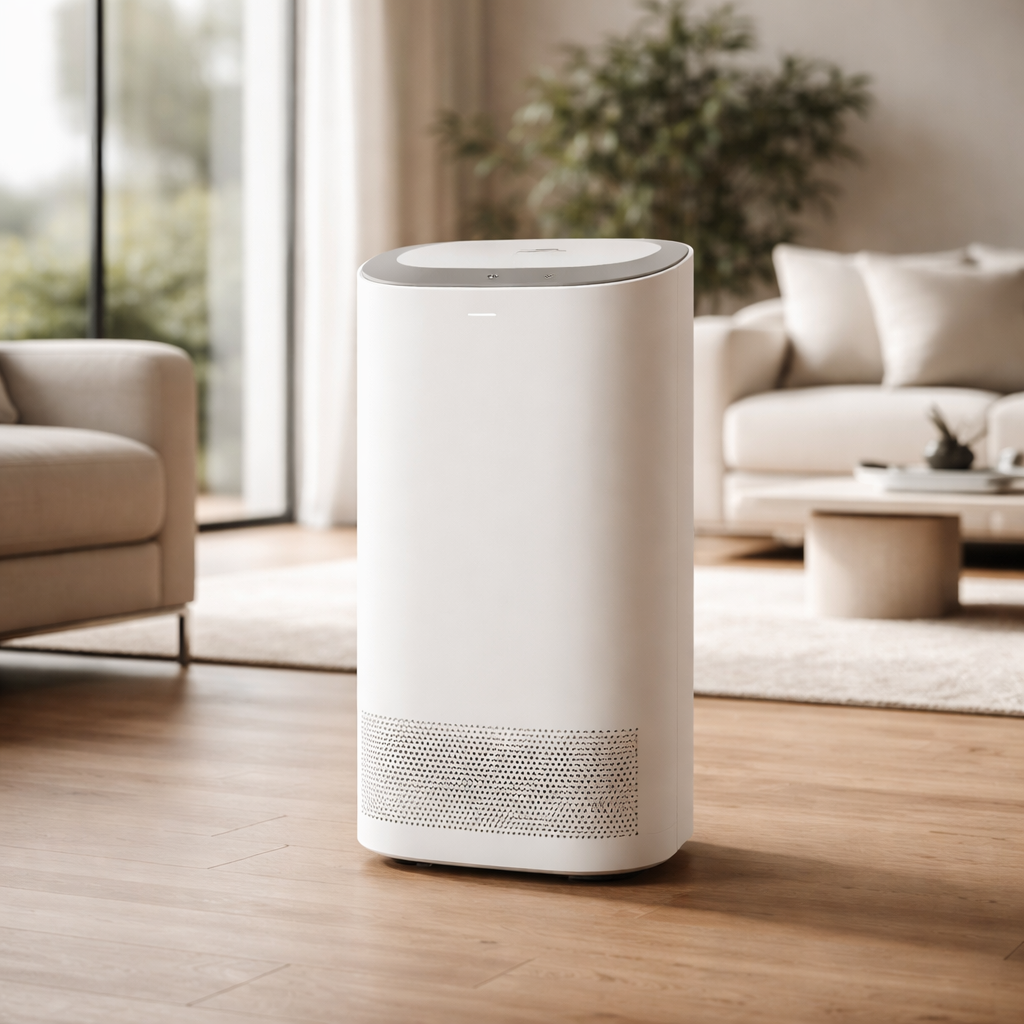
Air Purifiers
Air Purifiers — Why It Matters
The air inside your home may be more harmful than the air outside.
According to the U.S. Environmental Protection Agency, indoor air can be 2 to 5 times more polluted than outdoor air — and in some cases, up to 100 times worse. Sources include off-gassing from furniture, flooring, and paint; cooking combustion; mold and dust mite allergens; pet dander; and outdoor pollution that infiltrates through gaps and ventilation.
HEPA 14 filtration — the standard used in hospital operating rooms — removes 99.995% of airborne particles 0.3 microns and larger, including PM2.5 fine particulate matter, pollen, mold spores, and most airborne bacteria. For people with allergies, asthma, or a focus on cognitive performance and sleep quality, air quality is one of the highest-leverage environmental variables you can control.
What to look for: HEPA 13 or HEPA 14 rating, CADR appropriate for your room size, activated carbon for VOC and odor removal, and a quiet noise level for bedroom use.
Filters
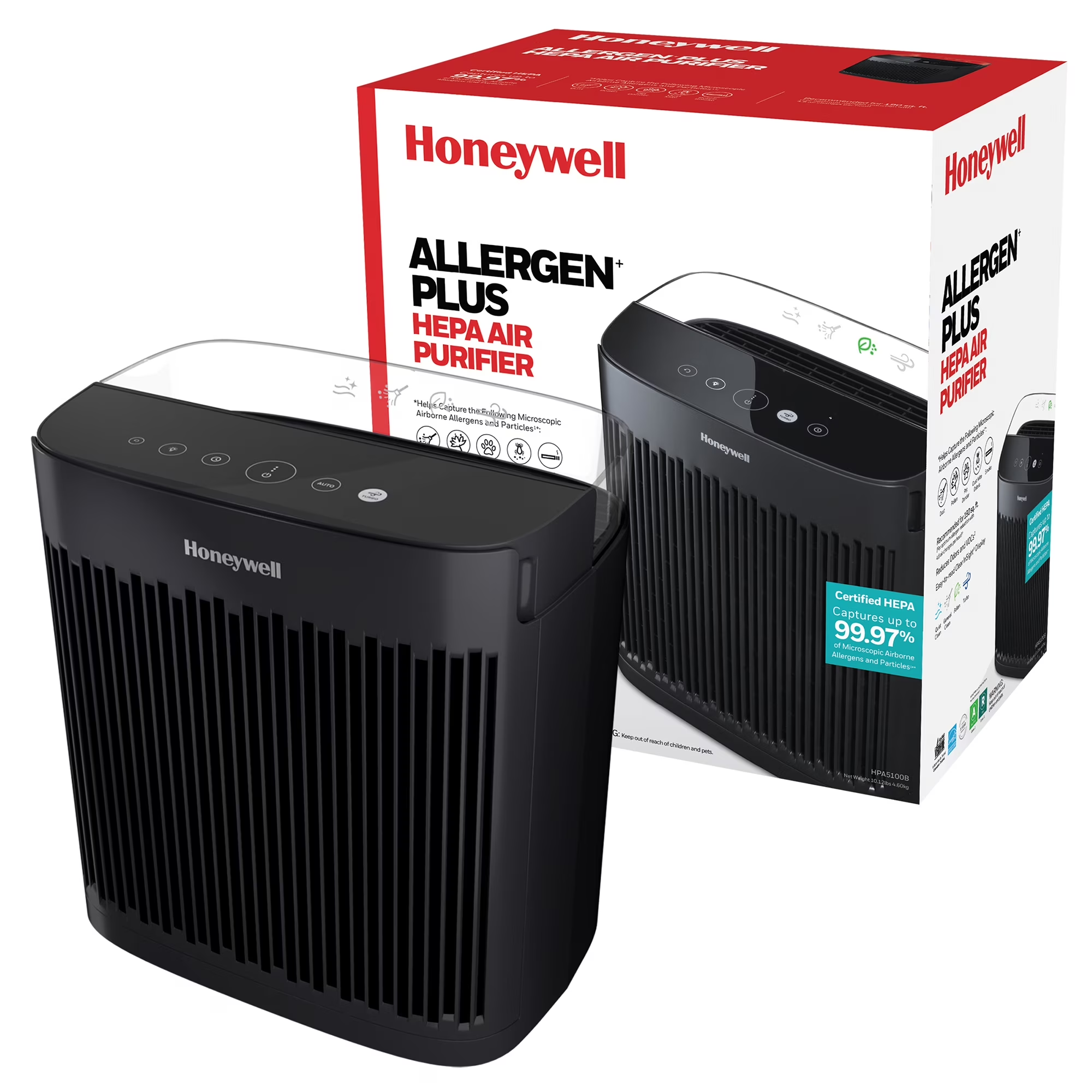
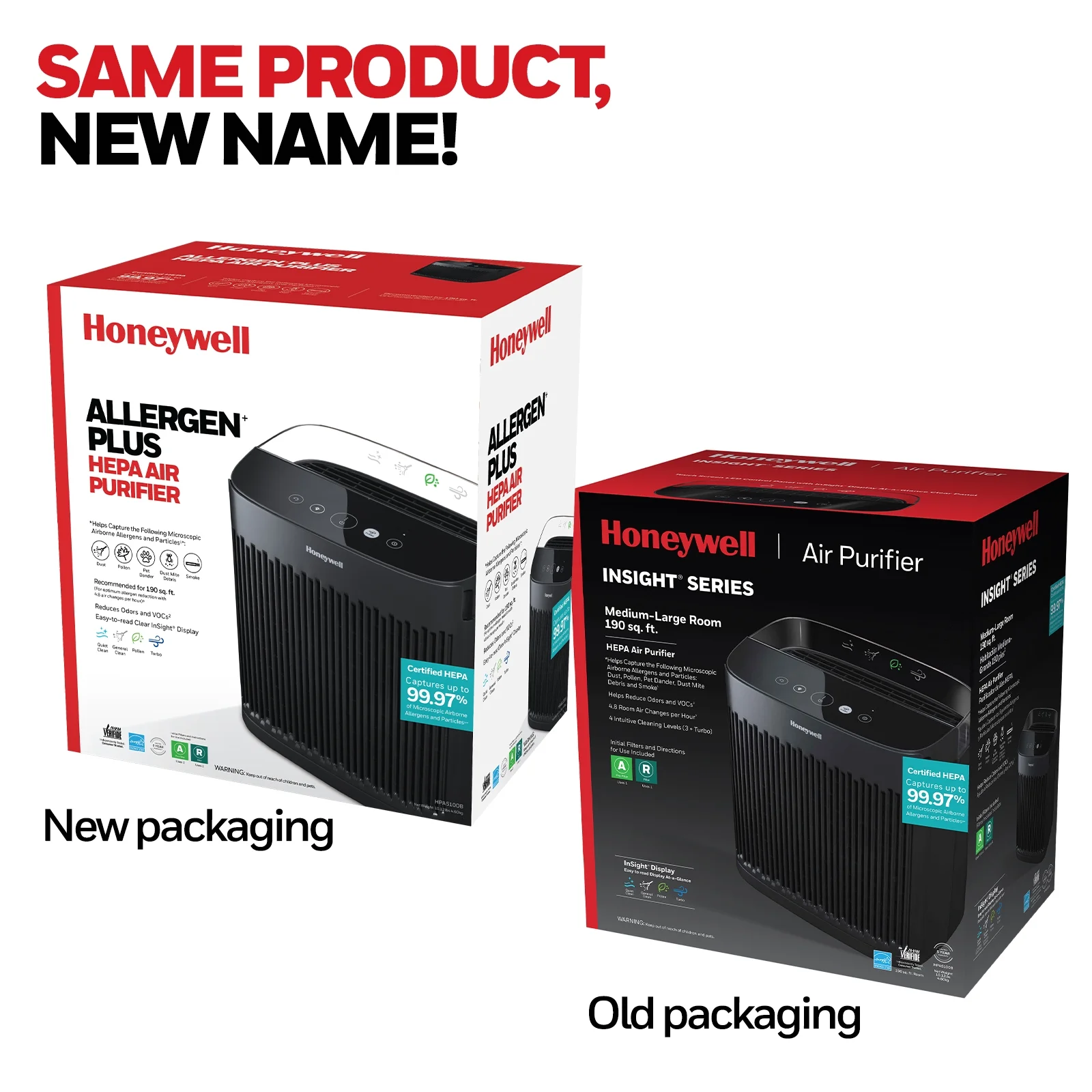


Air Purifiers
Frequently Asked Questions
For allergy and asthma sufferers, look for purifiers with HEPA 13 or HEPA 14 filtration, these capture 99.95% to 99.995% of airborne particles including pollen, pet dander, dust mites, mold spores, and fine particulate matter (PM2.5). Activated carbon layers add protection against VOCs, smoke, and chemical off-gassing. We recommend sizing your purifier to cover at least the square footage of your primary living area with a CADR (Clean Air Delivery Rate) appropriate for the room.
Most HEPA filters need replacement every 6 to 12 months depending on usage and air quality in your area. Pre-filters (which catch larger particles) should be cleaned monthly. Our product listings include estimated filter replacement schedules and costs so there are no surprises.
Match the purifier's stated coverage area to your room size — and if you have high ceilings, pets, or smoke exposure, size up. Our team can help you calculate the right CADR rating for your specific space.